Why the Perfect Line is a Moving Target
The braking board looks permanent. The apex curb appears to offer the same invitation every lap. Yet the circuit you meet when the lights go green is not the circuit you drove in first practice. Temperature rises, tires lay down rubber, dust is dragged onto the surface, and every car modifies the grip available to the next one. The driver who treats a reference as a command will eventually brake too early, turn in with the wrong speed, or ask for traction where the track can no longer provide it.
Track evolution is more than a darkening strip of asphalt. It is a changing interaction between tire compound, aggregate, binder, rubber deposits, temperature, and contamination. The fastest drivers therefore combine fixed references with live feedback. Steering weight, yaw response, brake-pedal movement, tire noise, throttle pick-up, and visual texture all become part of a rolling assessment. Even when studying broader material-interface research such as this research on surface interactions, the practical lesson remains clear: grip is a physical relationship, not a painted line on the track.
Anatomy of a Living Circuit
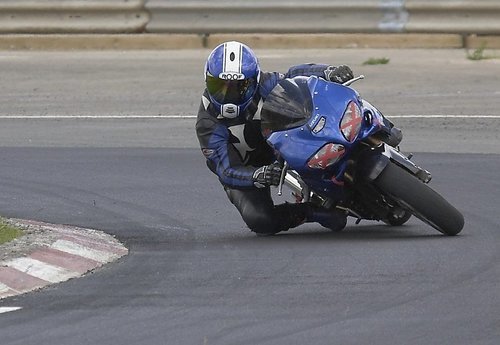
A green track is not necessarily dangerous, but it is honest about its limitations. Early in a weekend, the asphalt may offer little deposited rubber, so the tire must generate grip through its own temperature, load, and contact with the exposed aggregate. Steering can feel light, the rear axle may rotate abruptly, and the car can run wide even when the entry speed seemed conservative. As laps accumulate, the primary racing line generally becomes more adhesive, particularly in braking, cornering, and acceleration zones where tire energy is concentrated.
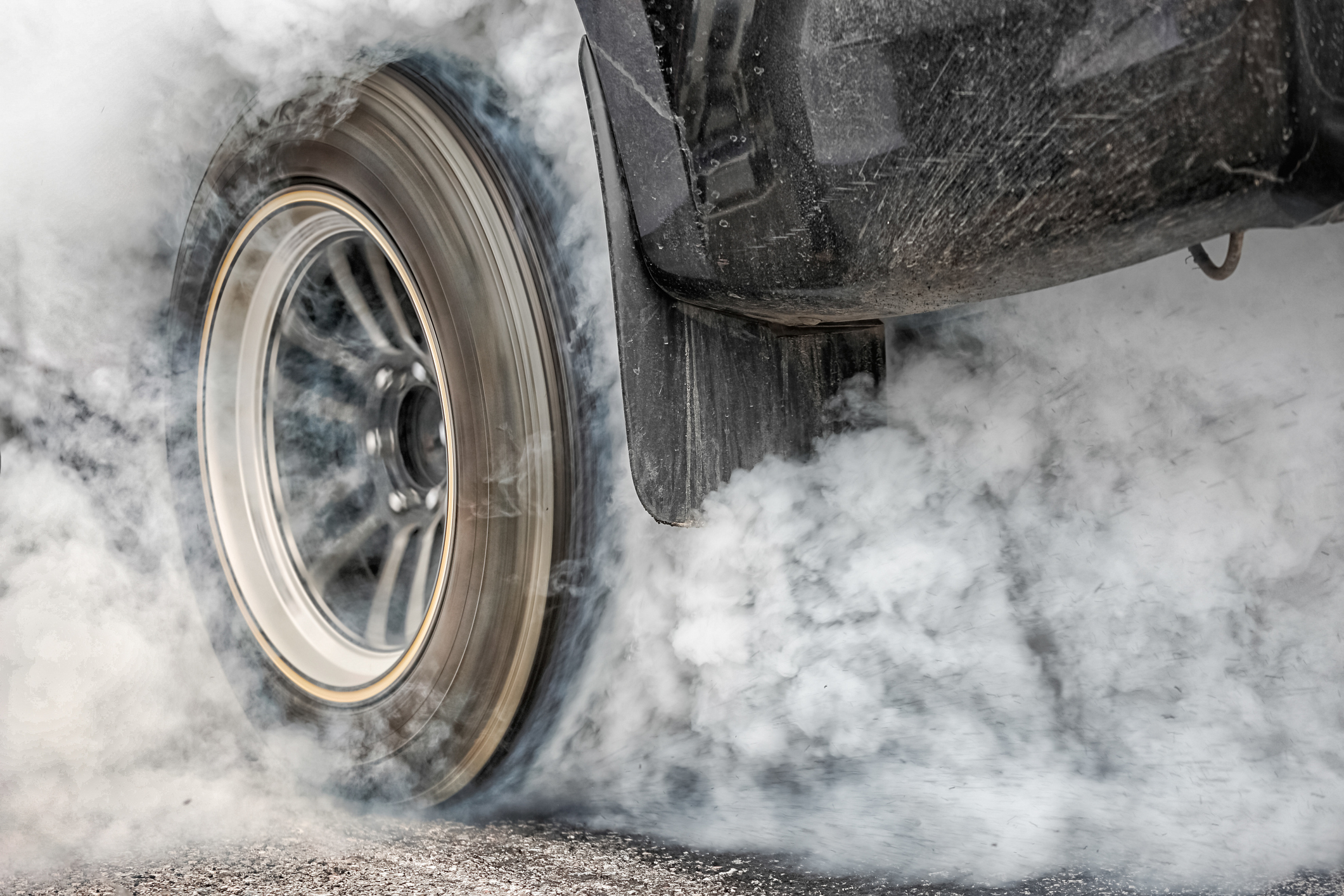
Rubber deposition changes the microscopic contact between tire and pavement. The aggregate is the angular stone within the asphalt that supplies texture, while the binder holds the surface together. As ambient heat, carcass temperature, and repeated loading combine, the tire can conform more effectively to that texture. A recent study of rubber-asphalt friction examined how temperature and material properties affect adhesion at the tire-road interface. It should not be treated as a direct model of every racing surface, but it reinforces an important coaching point: temperature can alter the threshold at which the tire begins to stick rather than slide. Readers accessing related research may first encounter Checking your browser before the source opens.
In simulation, the same principle appears through dynamic-track systems. One documented model describes rubber intensity increasing with accumulated car laps, with grip building quickly during early running and continuing toward a higher plateau. That does not mean every real circuit or simulator evolves identically. It does mean that session tier matters. A qualifying lap on a rubbered-in surface can support a later brake release and a tighter minimum-speed target than a cold, green out-lap, while a race restart after contamination may reverse some of that advantage.
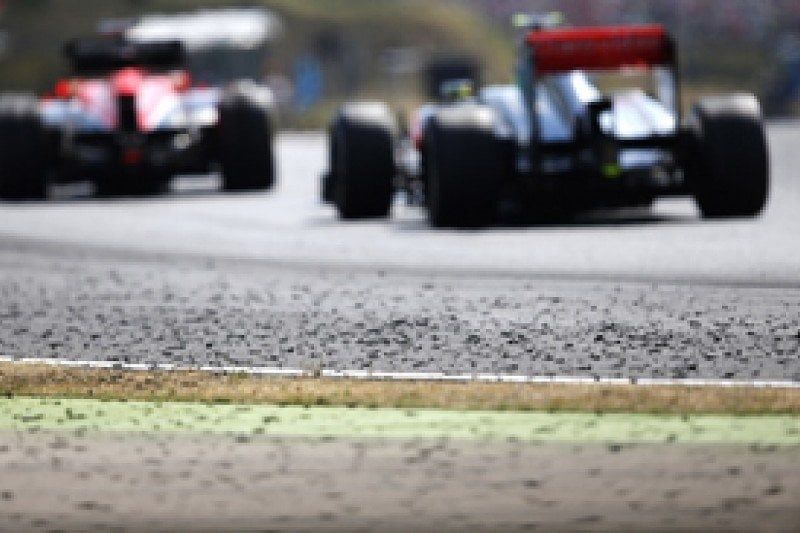
- Green track: Expect lighter steering, longer braking distances, more wheelspin, and a wider operating window between grip and a slide.
- Rubbered groove: Look for stronger initial bite, more confident trail braking, and improved traction when the tire is properly prepared.
- Hot surface: Distinguish useful adhesion from overheating. A surface can feel grippy at first and then produce greasy, sliding behavior as tire temperature rises.
- Mixed surface: Be alert for dust, gravel, fluid, or rubber outside the groove. The car may change character within a single corner.
Deciphering Surface Evolution from Cockpit Telemetry and Feel
The steering rack is an early warning system. On a green surface, steering effort may feel vague because the front tires are not developing much lateral force. As grip builds, the wheel loads more progressively, and the car responds with a sharper yaw response. Yaw is the vehicle”s rotation around its vertical axis, so an increase in yaw response means the car turns more readily for the same steering input. The target is not maximum steering weight at all costs. It is a predictable relationship between input and response.
Braking markers should migrate only when the evidence supports the move. A later marker is valuable if the car still reaches the apex with the correct rotation and leaves enough margin for traffic, tire wear, and surface variation. Watch brake pressure, speed trace, release timing, and steering angle together. If the pressure trace moves later but the driver carries excessive brake into the corner, the apparent gain may simply be a delayed problem that appears as understeer or a poor exit.
| Track state | Typical cockpit signal | Control adjustment | Performance check |
|---|---|---|---|
| Green and cool | Light steering, early lockup or wheelspin | Brake in a straighter line, soften initial inputs, prioritize tire preparation | Stable entry and clean exit matter more than a heroic apex |
| Rubbered and balanced | Progressive steering load, stronger rotation | Test a modestly later brake release and sharper rotation phase | Compare minimum speed with exit speed, not entry speed alone |
| Hot and declining | Longer slides, less consistent pedal response | Protect the tire, reduce slip, open the line where necessary | Look for repeatable laps rather than a single peak sector |
| Contaminated off-line | Sudden wheelspin or front washout | Reduce steering and throttle demand, return to clean pavement | Assess recovery before attempting a pass or defensive move |
Telemetry should confirm what the body is reporting. Compare five consecutive laps rather than hunting for one perfect trace. Note the point where brake pressure begins, the rate of release, steering angle at turn-in, throttle pick-up, and the point at which the car reaches full power. A useful track note records the condition as well as the reference, such as “three-quarters brake at the access-road shadow, later release after five laps of traffic,” rather than simply “brake at the board.” That distinction keeps the marker adaptable.
The Dark Side of Rubber Deposition and Off-Line Perils
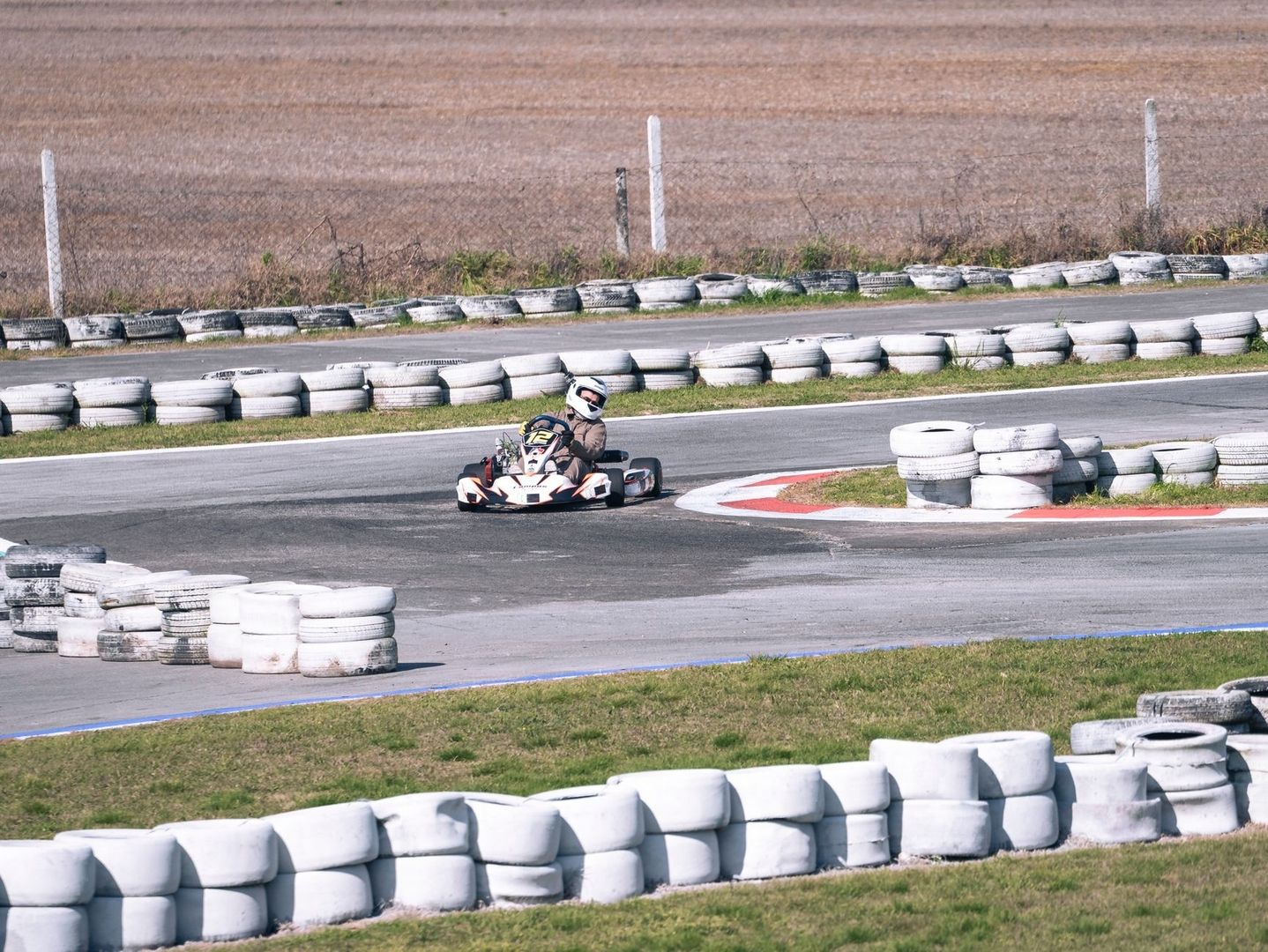
The fast lane can become the dirty lane only a few feet away. Rubber shed from tires accumulates outside the primary groove in small pieces commonly called marbles. These deposits reduce the consistency of the tire”s contact patch, especially when a car is loaded laterally. Dust and gravel can add another layer of uncertainty. Dynamic-track systems in racing simulators have modeled off-track material being brought back onto the circuit, demonstrating how a single excursion can affect both the car that makes the mistake and those that follow.
That is why a defensive move late in a race can carry a severe traction penalty. A driver who covers the inside may leave the rubbered line, brake on a less predictable surface, and then demand rotation and acceleration while the tires are already compromised. The risk is not merely a slower corner. It is a chain reaction: reduced braking grip, an early lockup, a compromised apex, and wheelspin that hands the attacking car a run down the next straight. If the move is necessary, reduce the number of simultaneous demands. Brake earlier, keep the car straighter, and accept a slower exit rather than pretending the off-line surface offers normal grip.
These transitions also increase cognitive load. The brain must process visual texture, relative position, tire noise, steering resistance, pedal movement, mirrors, and nearby cars in fractions of a second. High-speed cognitive processing and motor-control research underscores how acute physical stress and fatigue narrow attentional focus, slow critical reaction times, and degrade the precision of subtle steering and pedal modulations. The practical response is disciplined prioritization: first stabilize the car, then manage the opponent, then recover the preferred line.
- Use the clean groove whenever the situation allows, particularly for heavy braking and high-speed direction changes.
- Expect the off-line surface to require earlier braking and gentler throttle application.
- Do not judge marbles by visibility alone. Some simulated or real deposits may be subtle, texture-like, or difficult to see from the cockpit.
- After an excursion, spend the next corner rebuilding tire confidence rather than immediately chasing the lost tenth.
Proactive Line Adaptation Protocol for Race Day
Adaptation works best when it is planned before the first serious lap. The objective is not to improvise every corner. It is to create a repeatable process that allows the driver to update references without surrendering consistency. Safety remains non-negotiable: maintain correct helmet and harness fit, respect track limits and flag procedures, and never test a changing surface at a speed that removes recovery margin.
- Establish dynamic visual references. Start with permanent cues such as pavement seams, wall openings, marshal posts, fencing angles, shadows that remain reliable for the session, or changes in surface color. Use braking boards as secondary references rather than absolute commands. Record whether each cue is used for initial braking, peak pressure, turn-in, or brake release. In a simulator, save a replay and compare the visual scene with the telemetry trace. In a car, track notes should include surface temperature, traffic, tire condition, and whether the line is green, rubbered, or contaminated.
- Probe trail-braking limits lap by lap. Trail braking means gradually reducing brake pressure while the car turns, transferring the balance from deceleration toward cornering. Begin with a conservative release, then move the release point by a small, measurable amount only after the car reaches the apex cleanly. The correct test asks whether the car rotates without excessive front lockup and whether the rear remains stable. If the exit becomes worse, the later entry has not produced a real gain. Revert immediately instead of defending a bad experiment.
- Reroute racecraft around debris fields. Identify which corners punish off-line running most severely and plan passing zones accordingly. A straight-line pass that finishes before a dirty braking area may be safer and faster than an ambitious move into a corner where the inside is covered in rubber debris. When defending, leave enough space for a predictable line and avoid sudden direction changes. Late in the race, prioritize traction out of the corner that leads to the longest acceleration zone, even if that means conceding a small amount of entry speed.
After each session, convert impressions into evidence. Mark where the surface felt better, where the car began to slide, and whether the change appeared after traffic, heat, tire wear, or an off-track moment. Review sector-by-sector rather than relying on the overall lap time. A slower lap can contain the best lesson if it reveals that a later brake marker improved rotation but damaged the exit.
For club racers and track day drivers, this process can be simplified to three questions after every run: Where did the car gain grip, where did it lose grip, and what changed immediately beforehand? For competitive sim racers, add steering torque, brake pressure, tire temperature, slip angle, and surface-state data when available. The goal is the same in both environments: replace memory-based driving with a living map of the circuit.
Master the Track Before It Dictates Your Pace
Raw qualifying speed matters, but adaptability decides how much of that speed survives a race. A driver who can react to a rubbered-in groove, a hot tire, a dusty apex, or a fading rear axle will preserve performance after the ideal conditions disappear. That driver may not always own the single fastest lap, yet will repeatedly produce strong entries, clean exits, and fewer unforced errors when the pressure rises.
Read the pavement continuously. Let the brake marker move because the evidence says it should, not because another car made the corner look easy. In the post-session debrief, log track temperature, visible rubber, grip changes, off-line penalties, tire behavior, and the exact visual cues that remained dependable. The next time the lights go green, those notes become more than a record of the past. They become a live race plan, ready to evolve with every lap.